Blog

What is the Small Passenger Vessel Safety Act?

March 9, 2026

boat

Congress recently introduced a bill to update maritime regulations to address the danger of fires on covered small passenger vessels. One of the bill’s sponsors noted that older boats were grandfathered in and exempt from newer vessel safety rules. He describes the bill as seeking to modernize maritime safety in a way that is both practical and imperative.  » Read More

What to Do if Your Workers’ Compensation Claim is Denied

March 2, 2026

denied claim

Experiencing a debilitating injury at the workplace can be cause enough for severe stress. But when your workers’ compensation claim is denied, it can feel completely overwhelming. There are several reasons as to why your claim for benefits may have been denied. Fortunately, there you do have some recourse.

Common Reasons for a Denial of Workers’ Compensation Benefits

Though there exist numerous reasons,  » Read More

Maritime Equipment Injuries

February 9, 2026

boat

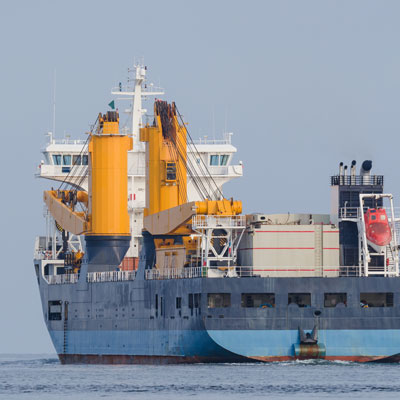
Maritime workers routinely perform difficult tasks with heavy and cumbersome equipment, including cranes that carry shipping containers, forklifts that transport materials and products, and winches that control industrial strength ropes and heavy cables. Using powerful machinery comes with a grave risk of injury. Infrequent as they might be, past maritime accidents have been severe.  » Read More

Lockout/Tagout and Worker Safety

February 2, 2026

safety

Machine operators and maintenance technicians face job hazards that can cause catastrophic injuries and even death. Protective safety equipment and operating procedures help keep workers safe while engaged with heavy industrial and manufacturing equipment, but workers involved with the maintenance and servicing of this type of machinery need to be protected as well. Lockout and tagout safety initiatives are designed to prevent accidents from happening when machinery is not in use or is being actively serviced.  » Read More

Chemical Exposure Injuries for Maritime Workers

January 13, 2026

chemical exposure

The Occupational Safety and Health Administration (OSHA) sets standards for worker safety and health. The standards are set to ensure maritime workers have a work environment where they are protected against recognized safety and health hazards. OSHA expects maritime employers to prevent exposure of hazardous substances known to cause harm. Determining whether this obligation is being met involves evaluating working conditions and whether adequate precautions have been taken to prevent maritime injuries.  » Read More